.png)


How to Care for and Maintain Your Leather Lounge Suite

Ever wondered why some leather sofas look stunning for decades while others crack and fade within just a few years? What's the secret to keeping your leather lounge suite looking as gorgeous as the day you bought it? And is there really a right way to clean and condition leather furniture?
If you've invested in a quality leather lounge suite, you'll know it's not just a piece of furniture—it's a statement piece that anchors your living space. Leather brings warmth, sophistication, and durability to any home. But here's the thing: without proper care, even the finest leather can deteriorate faster than you'd expect. The good news? Maintaining your leather lounge isn't complicated once you know what you're doing.
In this guide, you'll discover everything you need to know about keeping your leather furniture in top condition. We'll cover the basics of leather cleaning, explore conditioning techniques, and share practical tips for protecting your investment from Australia's unique climate challenges. Whether you're dealing with mysterious stains, worried about cracks, or simply want to establish a solid care routine, you're in good hands. Let's get stuck into it.
Understanding Your Leather Lounge Suite
Before you start cleaning or conditioning, it's worth understanding what type of leather you're working with. Not all leather is created equal, and different types require different care approaches.
Different Types of Leather Used in Lounge Suites
Most leather lounges fall into three main categories: full-grain, top-grain, and corrected-grain leather. Full-grain is the premium choice—it's the most durable and develops a beautiful patina over time. Top-grain leather has been sanded to remove imperfections, making it slightly less robust but still high quality. Corrected-grain leather has been treated and embossed to create a uniform appearance, and it's typically the most affordable option.
You might also encounter bonded leather, which contains leather fibres mixed with synthetic materials. This type requires gentler care and won't last as long as genuine leather options. To identify what you have, check any care labels or documentation that came with your furniture. Alternatively, genuine leather feels warm to the touch and has natural variations in texture, while synthetic alternatives often feel cooler and more uniform.
Why Does Leather Crack and Peel Over Time?
Leather is essentially animal skin, and like our own skin, it needs moisture to stay supple. When leather dries out, it loses flexibility and begins to crack. Sunlight, heat, and low humidity all accelerate this process. In Australia, where summers can be brutal and air conditioning sucks moisture from the air, leather furniture faces particular challenges. Understanding this helps you appreciate why regular conditioning isn't optional—it's absolutely essential.
Conditioning Your Leather Lounge Suite
Think of conditioning as moisturising for your furniture. It keeps the leather soft, prevents cracking, and extends the life of your lounge significantly.
Why Leather Conditioning Is Non-Negotiable
Without regular conditioning, leather becomes dry and brittle. The natural oils that kept the hide supple when it was part of a living animal gradually evaporate over time. Conditioning replaces these oils, maintaining flexibility and that beautiful, touchable quality that makes leather so appealing.
How Often Should You Condition a Leather Couch?
In Australian conditions, aim to condition your leather lounge every three to six months. If your home is particularly dry, or your lounge sits near heating or cooling vents, you might need to condition more frequently. Watch for signs like the leather feeling dry to the touch or looking dull—these indicate it's time for some TLC.
How to Apply Leather Conditioner Properly
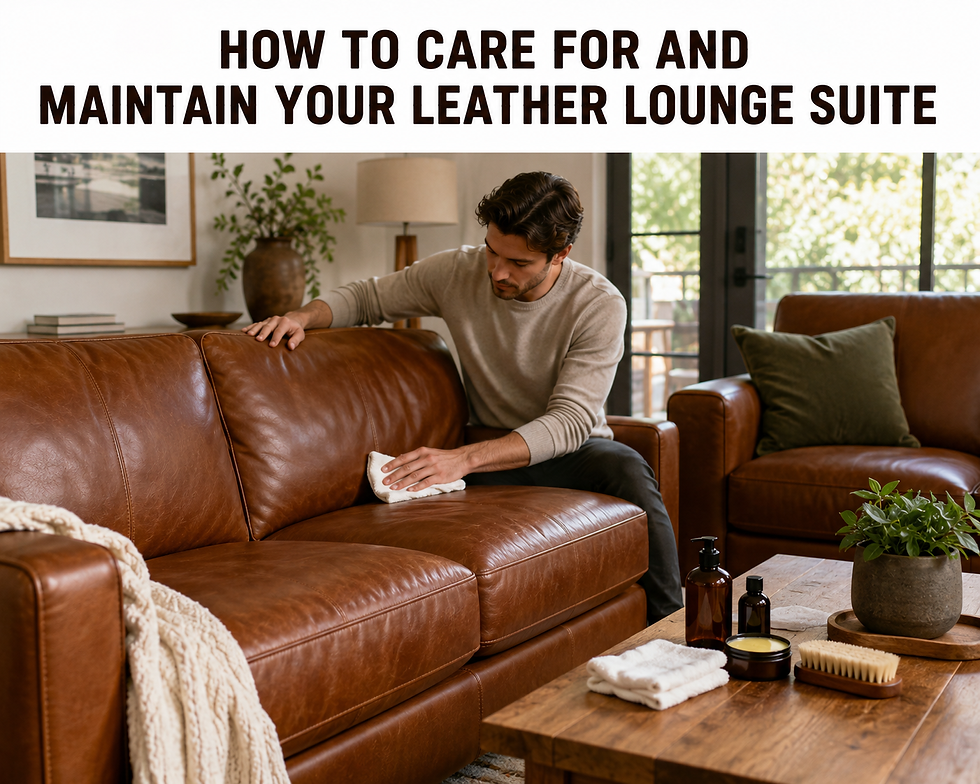
Always clean your leather before conditioning. Apply a small amount of conditioner to a soft cloth and work it into the leather using circular motions. Don't slather it on—a little goes a long way. Allow the conditioner to absorb for several hours or overnight, then buff off any excess with a clean cloth. The result? Soft, supple leather with a subtle sheen.
Protecting Your Leather from Damage
Prevention is always better than cure, especially when it comes to leather furniture. A few simple precautions can save you significant repair costs down the track.
How Do I Stop My Leather Couch from Cracking?
The key is maintaining consistent moisture levels through regular conditioning. Plus, positioning matters enormously. Keep your leather lounge away from direct sunlight—UV rays are leather's worst enemy. They fade colour and dry out the material faster than almost anything else.
Consider using blinds or curtains during peak sun hours, especially if your living room faces north or west. The same goes for heat sources: position your lounge at least half a metre away from heaters, fireplaces, and air conditioning vents.
Managing Humidity in Australian Climates
Australia's climate varies dramatically depending on where you live. In tropical areas like Queensland, humidity isn't usually an issue—but mould can be. Wipe down your leather regularly to prevent mould growth. In drier regions like South Australia or during winter when heaters are running, leather dries out quickly. A humidifier can help maintain indoor moisture levels between 40-50%, which is ideal for both your leather furniture and your own comfort.
Preventing Scratches from Pets and Children
Let's be realistic—if you have kids or pets, your furniture will see some action. Use throws or blankets on areas where pets like to sit. Keep pets' nails trimmed to minimise scratching. For households with young children, consider applying a leather protector spray that creates an invisible barrier against minor damage.
Dealing with Common Leather Problems
Even with the best care, issues can arise. Here's how to handle the most common problems.
How to Remove Stains from Leather Furniture
Act quickly with spills—blot (don't rub) with a clean cloth immediately. For ink stains, try dabbing gently with rubbing alcohol on a cotton ball. Grease stains often disappear on their own as the leather absorbs the oil; resist the urge to treat them and simply wipe clean. For stubborn marks, a specialist leather stain remover is your best bet.
Can You Repair Cracked Leather on a Couch?
Minor cracks can be improved with leather filler products and matching dye, available from automotive stores or leather specialists. For serious damage, however, calling a professional leather restorer is worthwhile. They can recolour, repair, and recondition your lounge to near-new condition.

Seasonal Care Tips for Australian Homes
Summer Care
During summer, keep blinds closed during the hottest part of the day. If possible, reposition furniture away from windows. Condition more frequently to combat the drying effects of air conditioning.
Winter Care
In winter, moisture is your focus. Condition regularly and consider using a humidifier if you rely heavily on heating. Avoid placing your lounge directly in front of heaters or wood fires.
Professional Leather Cleaning and Restoration
When Should You Get Professional Help?
Consider professional cleaning every 12-18 months, or sooner if your lounge has significant staining or wear. Professional restoration makes sense when DIY methods aren't cutting it, or when your leather shows extensive cracking, fading, or damage.
Professional services in Australia typically range from $200-$500 for a standard three-seater lounge, depending on the condition and services required. It's a worthwhile investment that can add years to your furniture's lifespan.
Creating Your Leather Care Routine
Caring for your leather lounge suite doesn't need to be complicated. Establish a simple routine: weekly dusting, monthly cleaning, and conditioning every three to six months. Pay attention to your environment and adjust your care schedule according to seasonal changes.
The effort you put into maintaining your leather furniture pays dividends over time. A well-cared-for leather lounge can last 15-20 years or more, developing character and beauty with age rather than deteriorating. That's remarkable value for your investment.
So take a moment this week to assess your leather lounge's condition. Give it a good clean, apply some quality conditioner, and consider its placement in relation to sunlight and heat sources. Your future self—relaxing on a beautifully maintained leather sofa years from now—will thank you for it. Here's to many more comfortable evenings on your gorgeous leather lounge suite!



Comments