.png)


Slimline Stainless Steel Water Tanks vs Traditional Tanks: Which Is Better?
- zoehsewell
- May 7
- 6 min read

Have you been putting off choosing a water tank because the options feel overwhelming? Are you wondering whether those sleek slimline stainless steel water tanks are worth the investment, or if a traditional tank would serve you just as well? And let's be honest do you even know what makes one tank better than another for your specific situation?
Choosing the right water tank isn't just about storing water. It's about making a smart investment that suits your property, your lifestyle, and your long-term needs. Whether you're harvesting rainwater in suburban Melbourne or setting up a reliable water supply on a rural Queensland property, the tank you choose impacts everything from installation costs to water quality.
In this guide, we'll break down the key differences between slimline stainless steel water tanks and traditional options. You'll discover which materials last longest, which setups work best for tight spaces, and how to determine the right size for your household. By the end, you'll have a clear picture of which tank type makes the most sense for your property.
What Are Slimline Stainless Steel Water Tanks?
Key Features and Design
Slimline stainless steel water tanks are exactly what they sound like narrow, tall tanks made from high-grade stainless steel. They're designed to fit into tight spaces while still holding substantial water volumes. Most feature a rectangular or curved profile that sits flush against walls or fences.
The stainless steel construction offers several advantages. It doesn't rust like regular steel, won't crack like concrete, and doesn't degrade under UV exposure like some plastics. Plus, stainless steel is food-grade safe, making it ideal for drinking water storage.
How Are Slimline Tanks Different from Standard Shapes?
Traditional round tanks take up significant ground space. A slimline tank, on the other hand, uses vertical height rather than horizontal width. This makes them perfect for narrow side passages, courtyards, or any area where space is at a premium.
Think of it this way: a round tank might need a 2-metre diameter footprint, while a slimline option could achieve similar capacity in a space just 600mm wide. That's a game-changer for urban properties.
Understanding Traditional Water Tanks
Common Materials: Poly, Concrete, and Steel
Traditional water tanks typically come in three main materials. Polyethylene (poly) tanks are the most popular choice across Australia they're affordable, lightweight, and come in various colours. Concrete tanks are incredibly durable and often used for underground installations. Standard steel tanks (usually galvanised or coated) offer strength but require ongoing maintenance to prevent corrosion.
Each material has its place. Poly tanks work brilliantly for budget-conscious homeowners, while concrete suits those wanting a permanent, underground solution.
Traditional Tank Shapes and Sizes
Round tanks dominate the traditional market. They're structurally efficient and can hold massive volumes some reaching 50,000 litres or more. However, their circular footprint isn't always practical for modern properties with limited outdoor space.
You'll also find squat, wide tanks designed to fit under decks or in low-clearance areas. These offer flexibility but still require significant ground space compared to slimline alternatives.
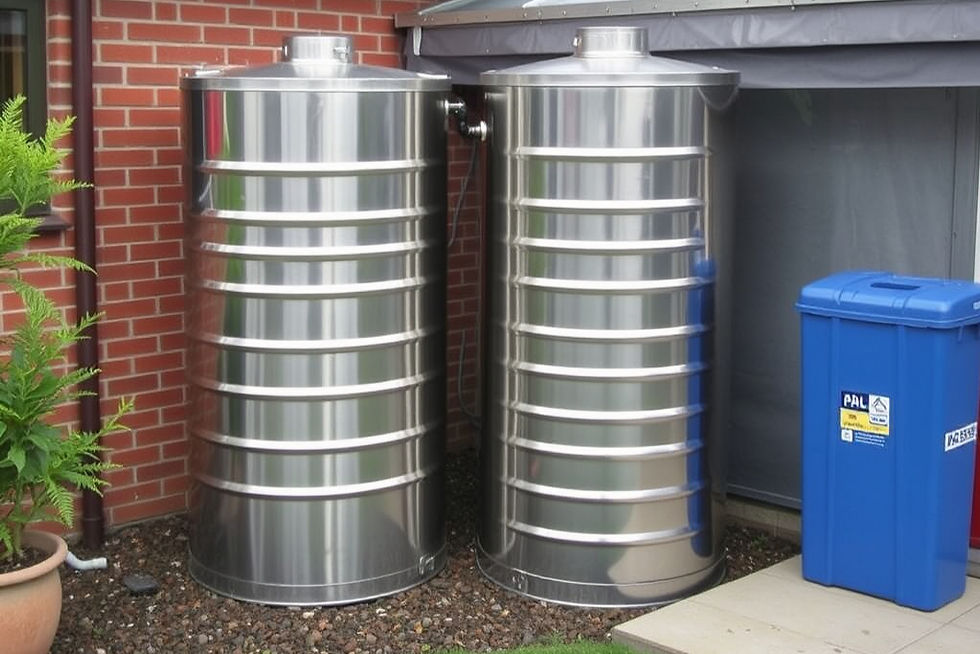
Slimline Stainless Steel Water Tanks vs Traditional Tanks: A Direct Comparison
Space Efficiency and Installation Requirements
Slimline tanks win hands down for space efficiency. They're designed specifically for properties where every square metre counts. Installation typically requires minimal groundwork just a level concrete pad against a wall or fence.
Traditional round tanks need more planning. You'll need adequate clearance around the tank, and larger models may require crane access for delivery. For suburban blocks, this often means sacrificing garden space or dedicating an entire corner to water storage.
Durability and Lifespan
Stainless steel tanks are built to last. With proper care, they can serve you for 30 years or more. They resist corrosion, don't become brittle in extreme temperatures, and maintain structural integrity decade after decade.
Poly tanks typically last 15-25 years, depending on UV exposure and quality. Concrete tanks can last 50+ years but may develop cracks over time. Standard steel tanks often need recoating every 10-15 years to prevent rust.
Water Quality and Safety
Here's where stainless steel really shines. It's completely inert, meaning it won't leach chemicals into your water. This makes it the gold standard for storing drinking water.
Poly tanks are generally safe, but cheaper options may contain additives that affect water taste. Concrete can alter water pH slightly, though this usually stabilises over time. Galvanised steel tanks may release zinc into water, which isn't harmful in small amounts but can affect taste.
Maintenance Needs Over Time
Stainless steel requires minimal maintenance occasional cleaning and checking fittings is usually sufficient. The smooth interior surface resists algae growth and makes cleaning straightforward.
Poly tanks need regular inspection for cracks or UV damage. Concrete tanks may require sealing treatments. Traditional steel tanks demand the most attention, needing regular rust checks and potential recoating.
Are Slimline Water Tanks Worth It for Small Properties?
Absolutely. For urban homes, townhouses, and properties with limited outdoor space, slimline tanks make perfect sense. They allow you to harvest rainwater without sacrificing your entire backyard.
The key is matching tank capacity to your available space and water needs. Even a modest 2,000-litre slimline tank can make a real difference to your water bills and garden health.
How Long Do Slimline Stainless Steel Water Tanks Last Compared to Poly Tanks?
slimline stainless steel water tanks typically last 30+ years with minimal maintenance. High-quality poly tanks last 15-25 years under ideal conditions. That's potentially double the lifespan for stainless steel.
When calculating value, consider replacement costs, installation hassles, and disposal of old tanks. Stainless steel's longevity often makes it the more economical choice over time.
Which Water Tank Material Is Best for Drinking Water in Australia?
For drinking water, stainless steel is the clear winner. It's food-grade safe, doesn't affect water taste, and won't leach any chemicals. Many commercial and health-focused installations specify stainless steel for this reason.
Quality poly tanks with food-grade certification are also safe for drinking water. Just make sure to check the manufacturer's specifications and avoid bargain options that might compromise water quality.
Can Slimline Stainless Steel Water tanks Hold Enough Water for a Household?
Yes, but it depends on your usage patterns. Slimline tanks typically range from 1,000 to 5,000 litres, with some larger models available. For garden irrigation and toilet flushing, a 3,000-litre tank often suffices for a typical household.
For complete water independence, you might need multiple tanks or a combination of slimline and traditional storage. Many homeowners install several slimline tanks along a boundary fence to maximise capacity.

Best Applications for Each Tank Type
Urban Homes and Tight Spaces
Slimline stainless steel water tanks are tailor-made for urban properties. They fit along fences, beside garages, and in narrow side passages. Their clean appearance also suits modern architectural styles.
Rural Properties and Farms
Traditional large-capacity tanks make more sense for rural applications. Farms and acreages typically have space for round tanks and benefit from their larger volumes. A combination approach slimline tanks near the house, larger tanks elsewhere often works well.
Commercial and Industrial Use
Stainless steel dominates commercial applications, particularly in food and beverage industries. The hygiene benefits and durability justify the higher costs for businesses.
What Size Water Tank Do I Need for My Home?
A general rule: aim for 5,000 litres per person for year-round rainwater use. For supplementary use (gardens, toilets), 2,000-3,000 litres often suffices for a typical household.
Consider your roof catchment area, local rainfall patterns, and intended use when sizing your tank. Your local tank supplier can help calculate the optimal size.
Environmental Considerations: Which Option Is More Sustainable?
Stainless steel is 100% recyclable and has a smaller environmental footprint over its extended lifespan. Poly tanks are recyclable but often end up in landfill. Concrete production has significant carbon emissions.
For the environmentally conscious, stainless steel's longevity and recyclability make it the more sustainable choice.
Making the Right Choice for Your Property
Consider your specific circumstances: available space, budget (both immediate and long-term), water quality priorities, and how long you plan to stay in your property. There's no universally better option just the right option for your situation.
Conclusion
So, which tank wins? It genuinely depends on your priorities. Slimline stainless steel water tanks excel in space-constrained environments, offer superior water quality, and provide exceptional longevity. They're the premium choice for homeowners who value quality and have the budget to match.
Traditional tanks, particularly poly options, remain excellent choices for budget-conscious buyers or those with ample space. They're proven, affordable, and widely available across Australia.
Ultimately, the best tank is one that fits your space, meets your water needs, and works within your budget. Take time to assess your property, calculate your water requirements, and consider both upfront and long-term costs. Whatever you choose, you're making a positive step toward water security and sustainability. Cheers to that!


Comments